Why Am I Hungry All the Time During Pregnancy? Understanding Pregnancy Hunger
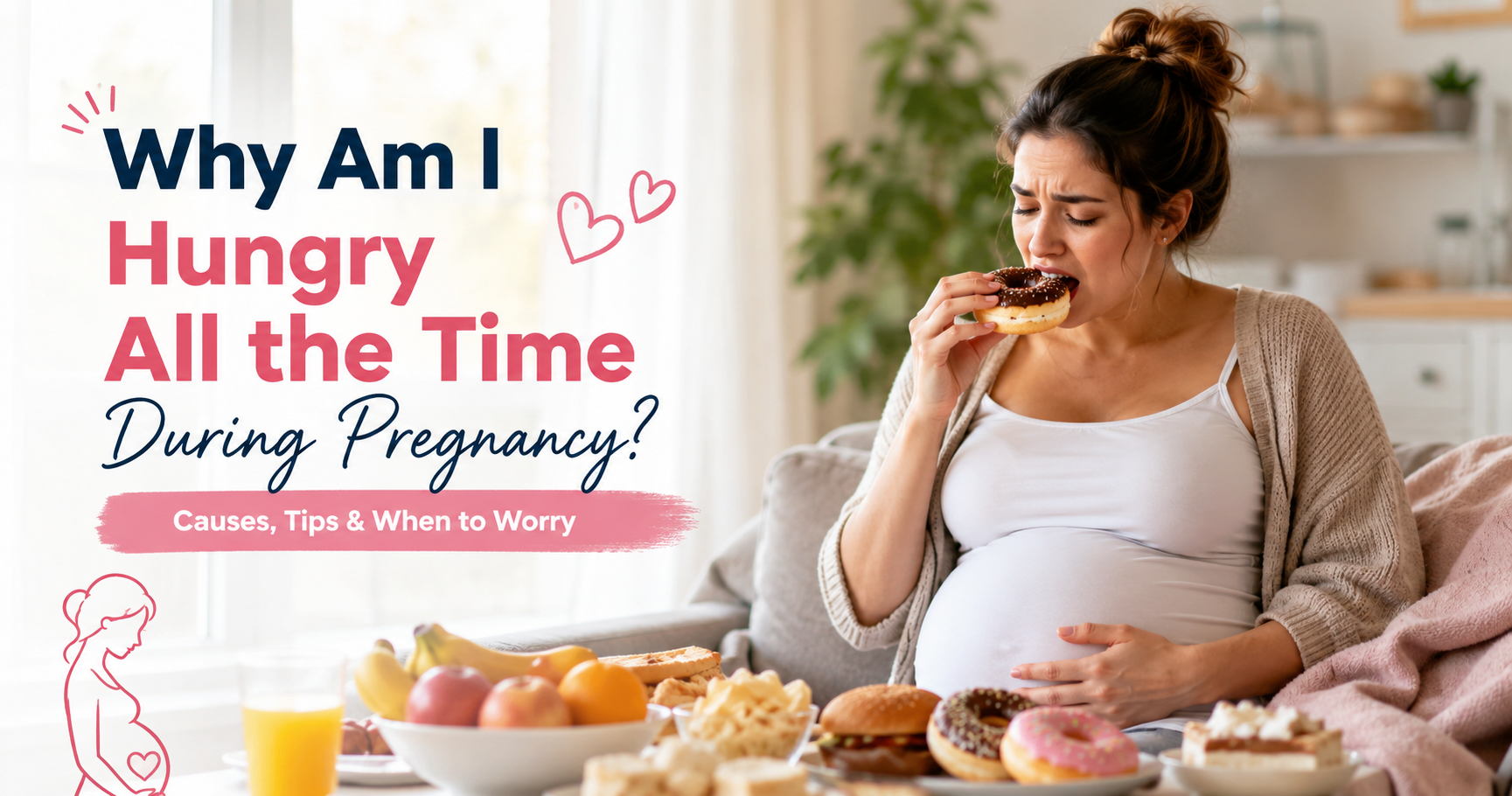
Pregnancy can make your body feel completely different — and one of the biggest surprises for many moms-to-be is constant hunger. You eat a full meal, and an hour later your stomach feels empty again. If you’re wondering, “Why am I hungry all the time during pregnancy?” you are definitely not alone.
In most cases, increased hunger during pregnancy is completely normal. Your body is working around the clock to support your growing baby, produce extra blood, and prepare for childbirth. All of that requires more energy, nutrients, and calories.
Why Pregnancy Makes You So Hungry
During pregnancy, your body goes through major hormonal and physical changes. These changes can increase appetite significantly.
1. Your Baby Is Growing Rapidly
Your baby needs nutrients for healthy development. As pregnancy progresses, your body naturally asks for more food to support:
-
Baby’s growth
-
Placenta development
-
Increased blood supply
-
Breast tissue growth
-
Extra energy storage
This is especially common during the second and third trimesters.
2. Hormones Increase Appetite
Pregnancy hormones like progesterone can make you feel hungrier than usual. These hormones can also affect blood sugar levels, which may cause sudden cravings or frequent hunger.
Some women describe it as feeling hungry “all the time,” even after eating.
3. Morning Sickness Can Make Hunger Worse
Ironically, nausea and vomiting can also increase hunger. If you lose nutrients or eat less because of morning sickness, your body may try to compensate later by increasing appetite.
Many pregnant women notice:
-
Extreme hunger after nausea passes
-
Cravings late at night
-
Feeling weak if meals are skipped
4. Your Metabolism Speeds Up
Pregnancy increases your metabolic rate. That means your body burns energy faster than before. Even while resting, your body is working harder to support your baby.
This is one reason you may wake up hungry in the middle of the night.
Is Constant Hunger During Pregnancy Normal?
Yes — in most healthy pregnancies, increased hunger is normal. Many women experience stronger appetite changes between weeks 14 and 28.
However, extreme hunger combined with symptoms like:
-
Excessive thirst
-
Dizziness
-
Blurred vision
-
Rapid weight gain
could sometimes be linked to gestational diabetes or blood sugar issues. If symptoms feel unusual, it’s best to speak with your healthcare provider.
You can also track your pregnancy timeline using this helpful tool:
👉 https://mammatrack.com/due_date_calculator
Best Foods to Keep You Full During Pregnancy
Instead of eating only sugary snacks, try foods that provide lasting energy and nutrients.
Protein-Rich Foods
-
Eggs
-
Chicken
-
Greek yogurt
-
Lentils
-
Nuts
Healthy Carbs
-
Oatmeal
-
Brown rice
-
Whole wheat bread
-
Sweet potatoes
Healthy Fats
-
Avocados
-
Peanut butter
-
Seeds
-
Olive oil
These foods help stabilize blood sugar and reduce constant hunger.
Tips to Manage Pregnancy Hunger
Eat Smaller Meals More Often
Instead of three large meals, try eating every 2–3 hours.
Stay Hydrated
Sometimes dehydration can feel like hunger.
Keep Healthy Snacks Nearby
Pregnancy hunger can appear suddenly. Carry:
-
Nuts
-
Fruit
-
Crackers
-
Protein bars
Don’t Skip Breakfast
A balanced breakfast can reduce cravings throughout the day.
When Does Pregnancy Hunger Start?
For some women, hunger increases in the first trimester. For others, it becomes noticeable in the second trimester when nausea improves and the baby starts growing faster.
Every pregnancy is different.
If you are trying to understand your fertility or pregnancy timing better, this tool may also help:
👉 https://mammatrack.com/ovulation_calculator
Final Thoughts
Feeling hungry all the time during pregnancy can feel overwhelming, but it’s usually your body’s natural way of asking for more energy and nutrients. Listening to your body, eating balanced meals, and staying hydrated can help you feel better throughout pregnancy.
Remember — growing a baby is hard work. Your body is doing something incredible every single day.
Have a question or want to share your experience?
👉 Join our Community and connect with other parents.
Medical Disclaimer
This article is for informational purposes only and does not replace professional medical advice, diagnosis, or treatment. Always consult with a qualified healthcare provider for any questions regarding your health.
0 Comments
No comments yet. Join the conversation!
Leave a Reply
Your email address will not be published. Required fields are marked *