Safe Exercises During Early Pregnancy at Home Without Equipment: A Complete First Trimester Guide
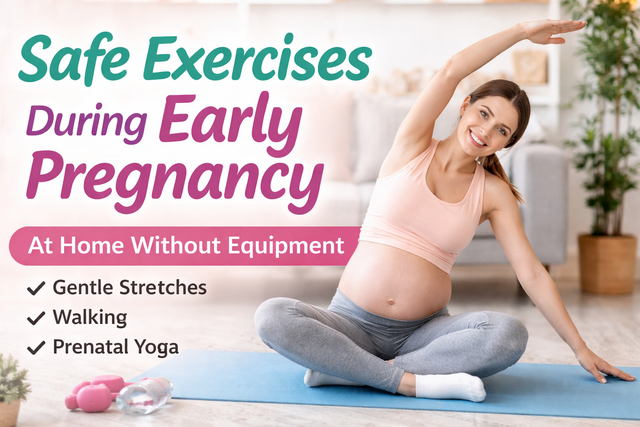
Pregnancy brings countless changes, especially during the first trimester. If you're wondering whether safe exercises during early pregnancy at home without equipment are a good idea, you're not alone. Many expecting mothers worry that exercise could harm their baby, but for most healthy pregnancies, gentle physical activity is not only safe—it can also make you feel stronger, reduce common pregnancy discomforts, and prepare your body for the months ahead.
The key is choosing the right exercises, listening to your body, and avoiding activities that place unnecessary stress on you or your growing baby. You don't need a gym membership or expensive fitness equipment. With a little space at home and a few simple movements, you can stay active safely throughout your first trimester.
Why Safe Exercises During Early Pregnancy at Home Without Equipment Matter
Many women believe they should spend the first trimester resting as much as possible. While getting enough rest is important, staying gently active can benefit both you and your baby.
According to health experts, moderate exercise during a healthy pregnancy supports better circulation, improves muscle strength, reduces stress, and helps your body adapt to pregnancy-related changes. It can also make labor and postpartum recovery a little easier.
If you're unsure how far along your pregnancy is, knowing your current week can help you choose appropriate activities. Before beginning any exercise routine, use our Pregnancy Week Calculator to track your pregnancy week accurately.
Benefits of Safe Exercises During Early Pregnancy at Home Without Equipment
Gentle exercise offers much more than keeping you physically active. It supports your overall well-being throughout pregnancy.
Improves Blood Circulation
Your body produces more blood during pregnancy. Light movement encourages healthy circulation, helping deliver oxygen and nutrients to both you and your developing baby while reducing swelling and tiredness.
Helps Reduce Pregnancy Fatigue
Although pregnancy often makes you feel exhausted, regular low-impact exercise can actually boost your energy levels by improving cardiovascular health and increasing oxygen flow.
Supports Emotional Well-Being
Hormonal changes during early pregnancy can cause mood swings, anxiety, and stress. Activities like walking, stretching, and prenatal yoga encourage your body to release endorphins, helping you feel calmer and happier.
Reduces Back Pain and Muscle Stiffness
As your body begins changing, your posture naturally shifts. Gentle stretching and strengthening exercises help reduce lower back discomfort and improve flexibility.
Prepares Your Body for Labor
Building strength in your legs, core, and pelvic floor muscles during pregnancy may improve endurance during labor and contribute to a smoother recovery after childbirth.
Helps Maintain a Healthy Pregnancy Weight
Exercise, combined with a balanced diet, supports healthy weight gain throughout pregnancy while lowering the risk of certain pregnancy-related complications.
Is Exercise Safe During the First Trimester?
For most women with uncomplicated pregnancies, the answer is yes.
Doctors generally recommend moderate physical activity during pregnancy unless there is a medical reason to avoid it. However, every pregnancy is unique. Women experiencing conditions such as placenta previa, cervical insufficiency, severe anemia, recurrent bleeding, or other complications should always follow their healthcare provider's advice before exercising.
The safest approach is to begin slowly, avoid overexertion, and choose exercises specifically recommended for pregnancy.
Safety Tips Before Starting Pregnancy Exercises at Home
Before beginning any workout routine, keep these important safety guidelines in mind.
Talk to Your Doctor First
If this is your first pregnancy or you have any medical condition, get medical clearance before starting an exercise program.
Stay Hydrated
Drink water before, during, and after exercise to prevent dehydration, which is especially important during pregnancy.
Wear Comfortable Clothing
Choose loose, breathable clothing and supportive footwear to stay comfortable while moving.
Avoid Overheating
Exercise in a cool, well-ventilated room. If you feel too hot, stop and rest immediately.
Listen to Your Body
Pregnancy isn't the time to push your limits. If you feel dizzy, short of breath, experience pain, or simply feel uncomfortable, stop exercising and contact your healthcare provider if symptoms continue.
Never Hold Your Breath
Maintain slow, steady breathing throughout every exercise. Proper breathing helps deliver oxygen to both you and your baby.
Quick Overview: Safe Exercises During Early Pregnancy at Home Without Equipment
| Exercise | Safe in First Trimester | Recommended Time | Main Benefit |
|---|---|---|---|
| Walking | ✅ Yes | 20–30 minutes | Improves circulation and stamina |
| Prenatal Yoga | ✅ Yes | 15–20 minutes | Relieves stress and improves flexibility |
| Pelvic Tilts | ✅ Yes | 8–10 repetitions | Supports lower back muscles |
| Light Squats | ✅ Yes | 8–10 repetitions | Strengthens legs and hips |
| Kegel Exercises | ✅ Yes | 10–15 repetitions | Strengthens pelvic floor muscles |
Before You Begin: Track Your Pregnancy Progress
Knowing your pregnancy stage helps you understand which exercises are appropriate for your body.
Our free Pregnancy Week Calculator makes it easy to monitor your baby's development week by week and stay informed throughout your pregnancy journey.
In the next section, we'll explore the best safe exercises during early pregnancy at home without equipment, including step-by-step instructions, benefits, common mistakes to avoid, and expert tips to help you exercise safely and confidently.
Best Safe Exercises During Early Pregnancy at Home Without Equipment
Now that you know the benefits and safety guidelines, let's look at the best safe exercises during early pregnancy at home without equipment. These gentle movements are suitable for most women with healthy pregnancies and can easily be done in your living room without any special equipment.
Remember: Move slowly, breathe naturally, and never continue an exercise if it causes pain or discomfort.
1. Walking – The Safest Exercise During Early Pregnancy
Walking is one of the easiest and most recommended exercises during pregnancy. It keeps your body active without putting too much pressure on your joints and muscles.
Benefits of Safe Exercises During Early Pregnancy at Home Without Equipment Like Walking
-
Improves blood circulation
-
Boosts energy levels
-
Supports healthy weight gain
-
Helps reduce constipation
-
Strengthens your heart and lungs
-
May improve sleep quality
How to Do It
-
Walk at a comfortable pace.
-
Keep your shoulders relaxed and your back straight.
-
Swing your arms naturally.
-
Wear supportive walking shoes.
-
Drink water before and after your walk.
Recommended Duration: 20–30 minutes, 3–5 days a week.
Pro Tip: If outdoor walking isn't possible, simply walk around your home or in your garden.
2. Prenatal Yoga for Relaxation and Flexibility
Prenatal yoga combines gentle stretching, breathing exercises, and relaxation techniques that help both your body and mind.
During the first trimester, many women experience stress, mood swings, and muscle tightness. Gentle yoga can help you feel calmer while improving flexibility.
Benefits of Prenatal Yoga
-
Reduces stress and anxiety
-
Improves posture
-
Helps relieve lower back pain
-
Encourages better breathing
-
Promotes relaxation
Safe Yoga Tips
-
Choose pregnancy-friendly poses.
-
Avoid deep twists.
-
Never compress your abdomen.
-
Move slowly between poses.
-
Stop immediately if you feel dizzy.
3. Pelvic Tilt Exercise for Back Support
As pregnancy progresses, your lower back works harder to support your growing belly. Pelvic tilts strengthen the muscles that protect your spine.
How to Perform Pelvic Tilts
-
Stand with your back against a wall.
-
Bend your knees slightly.
-
Tighten your abdominal muscles.
-
Gently tilt your pelvis forward.
-
Hold for five seconds.
-
Relax and repeat.
Repeat: 8–10 times.
Benefits
-
Strengthens core muscles
-
Reduces lower back pain
-
Improves posture
-
Supports pelvic stability
4. Light Squats to Build Strength
Squats strengthen your thighs, hips, and pelvic muscles—all of which play an important role during labor.
How to Perform Light Squats
-
Stand with your feet shoulder-width apart.
-
Keep your chest lifted.
-
Slowly bend your knees.
-
Lower only as far as comfortable.
-
Push through your heels to stand again.
Repetitions: 8–10.
Benefits
-
Strengthens legs
-
Improves balance
-
Supports pelvic muscles
-
Builds endurance for childbirth
Avoid: Deep squats or adding weights.
5. Kegel Exercises for a Strong Pelvic Floor
Your pelvic floor muscles support your bladder, uterus, and bowel. Pregnancy places extra pressure on these muscles, making Kegel exercises especially important.
How to Perform Kegels
Imagine you're trying to stop the flow of urine.
-
Tighten those muscles.
-
Hold for five seconds.
-
Relax for five seconds.
-
Repeat 10–15 times.
Benefits
-
Supports bladder control
-
Helps during labor
-
Speeds postpartum recovery
-
Reduces the risk of urinary leakage
6. Cat-Cow Stretch
This gentle movement improves flexibility in your spine and helps relieve stiffness.
How to Do It
-
Start on your hands and knees.
-
Inhale while lifting your head and gently arching your back.
-
Exhale while rounding your back slightly.
-
Continue slowly for one minute.
Advertisement
Benefits
-
Relieves back tension
-
Improves posture
-
Increases spinal flexibility
7. Shoulder Rolls and Neck Stretch
Many pregnant women unknowingly carry stress in their shoulders and neck.
A few gentle stretches each day can reduce muscle tightness and improve comfort.
Simple Routine
-
Roll your shoulders forward 10 times.
-
Roll them backward 10 times.
-
Slowly tilt your head toward each shoulder.
-
Hold each stretch for 10 seconds.
8. Deep Breathing Exercises
Pregnancy isn't only about physical health—it also affects your emotional well-being.
Deep breathing exercises calm your nervous system and help prepare you for labor.
Try This Simple Breathing Exercise
-
Sit comfortably.
-
Place one hand on your belly.
-
Breathe in slowly through your nose for four seconds.
-
Exhale gently through your mouth.
-
Repeat for five minutes.
Exercises You Should Avoid During Early Pregnancy
Not every workout is suitable during pregnancy. Some activities can increase the risk of injury or place unnecessary stress on your body.
Avoid the following unless your healthcare provider specifically approves them:
-
Heavy weightlifting
-
Contact sports
-
High-intensity interval training (HIIT)
-
Jumping exercises
-
Sprinting
-
Exercises with a high risk of falling
-
Scuba diving
-
Hot yoga or exercising in excessive heat
-
Any activity that causes pain or dizziness
Remember, pregnancy is not the time to chase fitness goals—it's about staying healthy and supporting your baby's development.
Warning Signs: Stop Exercising Immediately
While light exercise is generally safe, certain symptoms should never be ignored.
Stop exercising immediately and contact your healthcare provider if you experience:
-
Vaginal bleeding
-
Fluid leaking from the vagina
-
Severe abdominal pain
-
Painful contractions
-
Chest pain
-
Severe headache
-
Blurred vision
-
Difficulty breathing before exercise
-
Dizziness or fainting
-
Sudden swelling of the face or hands
-
Reduced fetal movement (later in pregnancy)
Your safety and your baby's health should always come first.
Helpful Pregnancy Tools to Support Your Journey
Exercise is only one part of a healthy pregnancy. Understanding your body week by week can help you make informed decisions and feel more confident.
You may also find these free Mammatrack tools helpful:
Estimate your baby's expected arrival date and follow your pregnancy timeline.
Planning another pregnancy in the future? This tool helps you understand your fertile window and ovulation cycle.
As you continue reading, we'll answer the most common questions about safe exercises during early pregnancy at home without equipment, clear up common myths, and share practical tips to help you stay active with confidence throughout your first trimester.
Frequently Asked Questions About Safe Exercises During Early Pregnancy at Home Without Equipment
Choosing the right exercise routine during pregnancy often comes with many questions. Here are clear, expert-backed answers to some of the most common concerns expecting mothers have.
1. Is it safe to exercise during the first trimester?
Yes. For most women with a healthy pregnancy, safe exercises during early pregnancy at home without equipment are completely safe and highly beneficial. Gentle activities such as walking, prenatal yoga, pelvic tilts, and Kegel exercises can improve circulation, boost energy, and support your overall well-being.
However, if you have a high-risk pregnancy or any medical complications, always consult your healthcare provider before starting an exercise routine.
2. Can I exercise every day during early pregnancy?
Yes, as long as you feel comfortable and your doctor hasn't advised against it. Most experts recommend about 150 minutes of moderate physical activity each week, which can be divided into 20–30 minute sessions on most days.
Remember, consistency is more important than intensity.
3. What is the safest exercise during early pregnancy?
Walking is generally considered the safest and easiest exercise for most pregnant women. It requires no equipment, improves cardiovascular health, and is suitable for almost every fitness level.
Prenatal yoga, Kegel exercises, and gentle stretching are also excellent choices.
4. Can exercise cause a miscarriage?
For women with healthy pregnancies, gentle exercise does not increase the risk of miscarriage. In fact, regular moderate activity supports a healthier pregnancy.
If you've experienced previous pregnancy complications or bleeding, speak with your healthcare provider before exercising.
5. Do I need special equipment for pregnancy workouts?
No. Many of the most effective pregnancy exercises can be performed using only your body weight. Walking, breathing exercises, pelvic tilts, light squats, and Kegels require no equipment at all.
6. What should I eat before exercising during pregnancy?
Choose a light, nutritious snack about 30–60 minutes before exercising.
Some healthy options include:
-
A banana
-
Yogurt
-
Whole-grain toast
-
Fresh fruit
-
A handful of nuts
Don't forget to stay hydrated throughout your workout.
7. When should I avoid exercising during pregnancy?
Avoid exercise and contact your healthcare provider if you experience:
-
Vaginal bleeding
-
Severe abdominal pain
-
Fluid leakage
-
Chest pain
-
Fainting
-
Severe dizziness
-
Difficulty breathing
These symptoms require immediate medical attention.
8. Can exercise help with pregnancy back pain?
Yes. Gentle stretching, pelvic tilts, prenatal yoga, and regular walking can strengthen the muscles supporting your spine, reducing lower back discomfort as your pregnancy progresses.
9. Are squats safe during the first trimester?
Yes. Light bodyweight squats are generally safe for women with uncomplicated pregnancies. They strengthen your legs, hips, and pelvic muscles, which can be beneficial during labor.
Always perform squats slowly and stop if you feel uncomfortable.
10. How can I stay active if I feel tired?
Pregnancy fatigue is common, especially during the first trimester. On low-energy days, even a 10–15 minute walk, gentle stretching, or breathing exercises can make you feel refreshed without exhausting your body.
Listening to your body is one of the most important parts of staying active during pregnancy.
Helpful Pregnancy Tools You May Like
Pregnancy becomes much easier when you have the right information at every stage. Along with maintaining a healthy exercise routine, these free Mammatrack tools can help you monitor your pregnancy more confidently.
Pregnancy Week Calculator
Track your baby's weekly growth and understand what changes to expect throughout each stage of pregnancy.
Internal Link: https://mammatrack.com/pregnancy_week_calculator
Due Date Calculator
Estimate your expected delivery date in just a few seconds and plan your pregnancy journey with confidence.
Internal Link: https://mammatrack.com/due_date_calculator
Ovulation Calculator
Planning your pregnancy or trying to understand your fertile window? This calculator provides a quick estimate based on your menstrual cycle.
Internal Link: https://mammatrack.com/ovulation_calculator
Final Thoughts
Pregnancy is one of life's most incredible journeys, and taking care of your body during these early months can make a meaningful difference. The good news is that safe exercises during early pregnancy at home without equipment don't have to be complicated. Gentle activities like walking, prenatal yoga, pelvic tilts, Kegel exercises, and light stretching can help improve your strength, boost your mood, reduce common pregnancy discomforts, and prepare your body for the months ahead.
Every pregnancy is unique, so there's no need to compare yourself with anyone else. Some days you'll feel energetic, while on others you may simply need extra rest—and that's perfectly normal. The goal isn't to push your limits but to stay active in a way that feels comfortable and safe.
Before starting any new exercise routine, always consult your healthcare provider, especially if you have a high-risk pregnancy or any medical concerns. Stay hydrated, wear comfortable clothing, and pay attention to how your body responds. Small, consistent steps often make the biggest difference.
As you continue your pregnancy journey, don't forget to use Mammatrack's free pregnancy tools to monitor your baby's development, calculate your due date, and stay informed every step of the way. With the right guidance, healthy habits, and safe exercises during early pregnancy at home without equipment, you can support both your well-being and your baby's healthy growth while enjoying a more confident and comfortable pregnancy.
Have a question or want to share your experience?
👉 Join our Community and connect with other parents.
Medical Disclaimer
This article is for informational purposes only and does not replace professional medical advice, diagnosis, or treatment. Always consult with a qualified healthcare provider for any questions regarding your health.
0 Comments
No comments yet. Join the conversation!
Leave a Reply
Your email address will not be published. Required fields are marked *