Pregnancy Fatigue vs Anemia: How to Tell the Difference and When to Worry
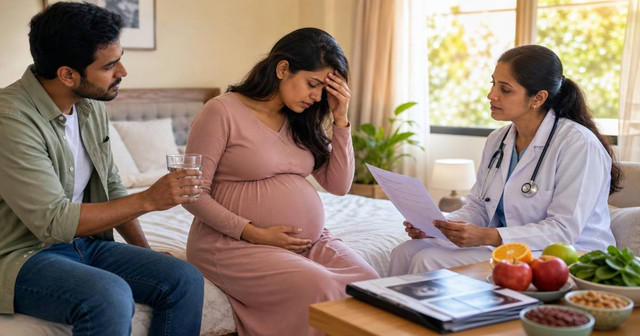
Pregnancy changes your body in incredible ways, but it can also leave you feeling exhausted. Many expectant mothers wonder whether their constant tiredness is simply a normal part of pregnancy or a sign of something more serious. Understanding pregnancy fatigue vs anemia is important because although both can make you feel weak, they have different causes, symptoms, and treatments.
Feeling sleepy after a busy day is usually expected during pregnancy. However, if your tiredness becomes overwhelming, you feel dizzy, short of breath, or notice your heart racing, it may be time to look beyond normal pregnancy fatigue. Knowing the difference can help protect both your health and your baby's development.
The good news is that most cases of pregnancy fatigue improve with healthy lifestyle habits, while anemia can often be treated successfully when diagnosed early. Let's explore how to tell them apart.
What Is Pregnancy Fatigue?
Pregnancy fatigue is one of the most common symptoms experienced by expectant mothers. It is especially noticeable during the first trimester and often returns during the third trimester as your baby grows.
Your body is performing an incredible amount of work every single day. It is creating the placenta, increasing blood volume, supporting your baby's growth, and adjusting hormone levels—all of which require a tremendous amount of energy.
Because of these natural changes, feeling tired does not necessarily mean something is wrong.
Why Does Pregnancy Fatigue Happen?
Several normal pregnancy changes contribute to fatigue, including:
- Rising progesterone hormone levels
- Increased blood production
- Higher energy demands from your growing baby
- Physical changes affecting sleep quality
- Emotional stress and anxiety
- Frequent nighttime urination
- Morning sickness reducing energy
These changes are completely normal and usually improve as pregnancy progresses.
Common Symptoms of Pregnancy Fatigue
Most women experience one or more of these symptoms:
- Feeling tired throughout the day
- Needing extra sleep
- Low energy levels
- Mild difficulty concentrating
- Reduced motivation
- Feeling sleepy after simple activities
Despite feeling tired, many women with normal pregnancy fatigue can still perform their daily activities after getting enough rest.
Helpful Tool: Track your pregnancy week and understand your baby's development with our Pregnancy Week Calculator
What Is Anemia During Pregnancy?
When discussing pregnancy fatigue vs anemia, it's important to understand that anemia is not simply "feeling tired." It is a medical condition that occurs when your body does not have enough healthy red blood cells or hemoglobin to carry sufficient oxygen throughout the body.
Iron-deficiency anemia is the most common type during pregnancy because your body's iron needs increase significantly to support your growing baby and placenta.
Without enough iron, your body cannot produce adequate hemoglobin, making it harder for oxygen to reach your organs and tissues.
Types of Anemia During Pregnancy
Although iron deficiency is the most common cause, anemia during pregnancy can also result from:
- Iron deficiency anemia
- Folate deficiency anemia
- Vitamin B12 deficiency anemia
- Less commonly, inherited blood disorders such as thalassemia
Your healthcare provider can determine the exact cause through blood tests.
What Hemoglobin Level Is Considered Anemia?
Healthcare providers usually diagnose anemia through a blood test that measures your hemoglobin (Hb) level.
In general, pregnancy anemia is diagnosed when hemoglobin falls below 11 g/dL during most stages of pregnancy. Your doctor may also order additional tests to identify the underlying cause and recommend the most appropriate treatment.
Never try to diagnose anemia based only on symptoms, as several other conditions can cause similar signs.
Common Symptoms of Anemia During Pregnancy
Unlike normal pregnancy fatigue, anemia often causes more noticeable symptoms because your body's organs are not receiving enough oxygen.
Common symptoms include:
- Extreme tiredness that doesn't improve with rest
- Pale skin
- Pale lips or nail beds
- Frequent dizziness
- Feeling faint
- Shortness of breath
- Rapid heartbeat
- Cold hands and feet
- Headaches
- Difficulty concentrating
If these symptoms appear suddenly or become severe, contact your healthcare provider promptly.
Pregnancy Fatigue vs Anemia: What's the Main Difference?
Although both conditions can make you feel exhausted, the reasons behind them are very different.
Pregnancy fatigue is a normal response to hormonal and physical changes.
Anemia is a medical condition that requires proper diagnosis and treatment.
Understanding pregnancy fatigue vs anemia can help you recognize when your symptoms are expected and when they may need medical attention.
| Feature | Pregnancy Fatigue | Anemia During Pregnancy |
|---|---|---|
| Main Cause | Hormonal and body changes | Low hemoglobin or iron deficiency |
| Energy Level | Low but manageable | Extreme exhaustion |
| Skin Color | Usually normal | Often pale |
| Breathing | Normal | Shortness of breath |
| Heart Rate | Usually normal | May become faster |
| Dizziness | Mild or occasional | Frequent or severe |
| Improves After Rest | Usually yes | Often no |
| Medical Treatment | Usually not required | Often required |
How Does Pregnancy Fatigue Feel?
Normal pregnancy fatigue often feels like:
- You need more sleep than usual.
- A short nap helps you feel refreshed.
- Energy improves after eating or resting.
- You can still complete most daily activities, although more slowly.
This type of fatigue usually comes and goes throughout pregnancy.
How Does Anemia Feel Different?
When comparing pregnancy fatigue vs anemia, anemia often feels much more intense.
Women with anemia frequently describe feeling as though they have "no energy at all," even after sleeping well.
Simple activities such as climbing stairs, taking a shower, or walking around the house may leave them feeling breathless or exhausted.
Many also notice dizziness, pale skin, and a racing heartbeat—symptoms that should never be ignored.
When Should You Be Concerned About Pregnancy Fatigue?
Most pregnancy fatigue is harmless, but there are times when tiredness may signal a medical problem instead of normal pregnancy changes.
Contact your healthcare provider if you experience:
- Extreme fatigue that doesn't improve after resting
- Frequent dizziness or fainting
- Shortness of breath during simple activities
- A fast or irregular heartbeat
- Pale skin or lips
- Severe headaches
- Chest pain
- Difficulty performing everyday tasks because of weakness
These symptoms could indicate anemia or another medical condition that requires evaluation.
Helpful Tool: Unsure whether your symptoms are normal? Try our Pregnancy Pain Checker for guidance:
What Causes Anemia During Pregnancy?
Understanding the causes of anemia makes it easier to recognize why some women experience more than normal pregnancy tiredness. While pregnancy fatigue vs anemia may seem similar at first, anemia develops when your body cannot produce enough healthy red blood cells to carry oxygen efficiently.
During pregnancy, your blood volume increases by nearly 50% to support your growing baby. Because of this, your body needs significantly more iron, folate, vitamin B12, and other nutrients. If these increased needs aren't met, anemia can develop.
Common Causes of Pregnancy Anemia
Several factors can contribute to anemia during pregnancy, including:
- Iron deficiency (the most common cause)
- Low folate intake
- Vitamin B12 deficiency
- Carrying twins or multiple babies
- Frequent pregnancies with little recovery time
- Severe morning sickness that limits food intake
- Poor dietary habits
- Heavy menstrual bleeding before pregnancy
- Certain inherited blood disorders, such as thalassemia
Your healthcare provider can determine the exact cause through blood tests and recommend the most appropriate treatment.
Who Is at Higher Risk of Pregnancy Anemia?
Some women have a greater chance of developing anemia during pregnancy than others. Knowing your risk factors can help you and your healthcare provider monitor your health more closely.
You may have a higher risk if you:
- Are pregnant with twins or triplets
- Had anemia before pregnancy
- Have closely spaced pregnancies
- Experience severe morning sickness
- Follow a vegetarian or vegan diet without proper supplementation
- Have poor nutritional intake
- Are carrying a baby during adolescence
- Have chronic medical conditions affecting nutrient absorption
Having one or more of these risk factors doesn't mean you'll definitely develop anemia, but regular prenatal checkups become even more important.
How Do Doctors Diagnose Pregnancy Anemia?
One of the biggest differences in pregnancy fatigue vs anemia is that anemia can only be confirmed through medical testing.
Since symptoms like tiredness and dizziness can occur in many conditions, doctors rely on laboratory tests rather than symptoms alone.
Blood Tests Used to Diagnose Anemia
Your healthcare provider may recommend:
Complete Blood Count (CBC)
A CBC measures:
- Hemoglobin (Hb)
- Hematocrit
- Red blood cell count
- Red blood cell size
This is usually the first test used to screen for anemia during pregnancy.
Hemoglobin (Hb) Test
Hemoglobin carries oxygen throughout your body.
Generally, a hemoglobin level below 11 g/dL during pregnancy suggests anemia, although your doctor will interpret your results based on your stage of pregnancy and overall health.
Ferritin Test
If iron deficiency is suspected, your healthcare provider may order a ferritin test.
Ferritin measures your body's iron stores and helps determine whether iron deficiency is causing your anemia.
Additional Blood Tests
Depending on your symptoms, your doctor may also check:
- Vitamin B12 levels
- Folate levels
- Other tests to identify less common causes of anemia
Early diagnosis makes treatment much easier and helps reduce the risk of pregnancy complications.
Pregnancy Fatigue vs Anemia Treatment
Treatment depends entirely on the underlying cause.
Normal pregnancy fatigue usually improves with healthy daily habits, while anemia often requires medical treatment in addition to lifestyle changes.
How to Manage Normal Pregnancy Fatigue
If your healthcare provider confirms that your tiredness is simply part of a healthy pregnancy, these tips may help increase your energy.
Get Enough Rest
Aim for 7–9 hours of sleep each night and don't hesitate to take short daytime naps when your body needs them.
Stay Hydrated
Even mild dehydration can worsen fatigue.
Drink plenty of water throughout the day unless your healthcare provider advises otherwise.
Eat Small, Balanced Meals
Instead of three large meals, try eating smaller meals every few hours.
Include:
- Whole grains
- Lean protein
- Fruits
- Vegetables
- Healthy fats
Balanced meals help keep your blood sugar stable and maintain your energy.
Stay Physically Active
Gentle activities such as:
- Walking
- Prenatal yoga
- Stretching
- Swimming (if approved by your doctor)
can actually improve energy levels and sleep quality.
Manage Stress
Pregnancy brings emotional changes along with physical ones.
Deep breathing, meditation, talking with loved ones, and adequate rest can all help reduce stress-related fatigue.
How Is Pregnancy Anemia Treated?
If tests confirm anemia, treatment focuses on correcting the underlying deficiency.
Always follow your healthcare provider's advice before taking supplements.
Treatment may include:
- Iron supplements
- Folic acid supplements
- Vitamin B12 supplements (if needed)
- Dietary improvements
- Regular follow-up blood tests
In severe cases, additional medical treatment may be necessary.
Most women begin feeling better within a few weeks after starting appropriate treatment.
Best Iron-Rich Foods During Pregnancy
Nutrition plays a major role in preventing and treating anemia.
Adding iron-rich foods to your daily meals can support healthy red blood cell production.
Animal-Based Sources of Iron
These foods contain heme iron, which is more easily absorbed by the body.
- Lean beef
- Chicken
- Turkey
- Liver (only if specifically recommended by your healthcare provider)
- Sardines
- Pregnancy-safe fish
Plant-Based Sources of Iron
Vegetarian mothers can obtain iron from many plant foods.
Include:
- Spinach
- Lentils
- Chickpeas
- Kidney beans
- Soybeans
- Pumpkin seeds
- Sesame seeds
- Tofu
- Oats
- Quinoa
Vitamin C Helps Your Body Absorb Iron
Vitamin C significantly improves iron absorption.
Try combining iron-rich foods with:
- Oranges
- Lemons
- Guava
- Kiwi
- Strawberries
- Bell peppers
- Tomatoes
For example, adding lemon juice to lentils or eating an orange after a meal can help your body absorb more iron.
Foods That Can Reduce Iron Absorption
Some foods and drinks make it harder for your body to absorb iron.
Try to avoid consuming these immediately before or after an iron-rich meal:
- Tea
- Coffee
- Large amounts of calcium supplements
- Milk taken with iron supplements
Your healthcare provider can advise you on the best timing for iron supplements if they're prescribed.
Can Pregnancy Fatigue and Anemia Happen Together?
Yes. In fact, this is quite common.
A pregnant woman may naturally experience pregnancy fatigue while also developing mild or moderate anemia.
This is why it's important not to assume that every episode of tiredness is "just pregnancy."
If your fatigue becomes worse over time, doesn't improve with rest, or is accompanied by dizziness, pale skin, breathlessness, or a rapid heartbeat, talk to your healthcare provider.
Understanding pregnancy fatigue vs anemia helps you recognize when your body is asking for normal rest—and when it's asking for medical attention.
Helpful Pregnancy Tools
Managing your pregnancy becomes easier when you have the right tools.
You may find these Mammatrack resources helpful:
- Pregnancy Week Calculator
- Due Date Calculator
- Pregnancy Pain Checker
- Pregnancy BMI Calculator
How to Prevent Anemia During Pregnancy
Preventing anemia is often easier than treating it. While not every case can be avoided, healthy habits and regular prenatal care can significantly reduce your risk.
If you're comparing pregnancy fatigue vs anemia, prevention starts with understanding what your body needs during pregnancy.
Eat a Balanced, Iron-Rich Diet
Your daily meals should include foods that naturally support healthy red blood cell production.
Choose a variety of:
- Lean meats (if you eat meat)
- Lentils and beans
- Spinach and other leafy greens
- Eggs
- Whole grains
- Nuts and seeds
- Iron-fortified cereals
Eating a colorful, balanced diet also provides folate, vitamin B12, and other nutrients that support healthy blood production.
Take Prenatal Vitamins as Prescribed
Prenatal vitamins are specially formulated to meet the increased nutritional demands of pregnancy.
Never skip or change your supplements without talking to your healthcare provider.
If iron supplements cause constipation or stomach discomfort, ask your doctor about alternative options rather than stopping them on your own.
Keep Up With Prenatal Checkups
Routine prenatal visits are one of the best ways to detect anemia early.
Your healthcare provider may repeat blood tests during pregnancy to monitor your hemoglobin levels and adjust treatment if needed.
Early detection helps protect both you and your baby.
Stay Hydrated and Get Enough Rest
Proper hydration and quality sleep won't prevent anemia, but they can help reduce normal pregnancy fatigue and improve your overall well-being.
Listen to your body. Rest when you need to, and don't hesitate to ask for help with daily tasks.
When Should You Call Your Doctor?
Feeling tired is common during pregnancy, but some symptoms should never be ignored.
Contact your healthcare provider as soon as possible if you experience:
- Extreme tiredness that doesn't improve with rest
- Frequent dizziness or fainting
- Shortness of breath during light activities
- A racing or irregular heartbeat
- Chest pain
- Pale skin, lips, or nail beds
- Severe headaches
- Difficulty walking because of weakness
- Swelling along with severe fatigue
- Any sudden worsening of your symptoms
If you have chest pain, severe shortness of breath, or lose consciousness, seek emergency medical care immediately.
Pregnancy Fatigue vs Anemia: Caring for Yourself Without Guilt
Many expectant mothers feel guilty when they can't keep up with their normal routine.
You may worry that you're being "lazy" or "not doing enough."
The truth is very different.
Growing a baby is one of the hardest jobs your body will ever do.
Some days you'll have plenty of energy.
Other days you'll need extra rest.
Both experiences are completely valid.
At the same time, it's important not to dismiss persistent or severe exhaustion. Your body has an incredible way of telling you when something isn't right. Listening to those signals and seeking medical advice is a sign of strength—not weakness.
Remember, taking care of yourself is one of the best ways to take care of your baby.
Frequently Asked Questions (FAQs)
Is pregnancy fatigue normal?
Yes. Pregnancy fatigue is extremely common, especially during the first and third trimesters. Hormonal changes, increased blood volume, and your baby's growth all contribute to feeling more tired than usual.
How can I tell the difference between pregnancy fatigue vs anemia?
Normal pregnancy fatigue often improves with rest, healthy meals, and hydration. Anemia usually causes more severe symptoms such as persistent exhaustion, pale skin, dizziness, shortness of breath, and a rapid heartbeat. A blood test is needed to confirm anemia.
Can anemia affect my baby?
If left untreated, severe anemia may increase the risk of preterm birth, low birth weight, and other pregnancy complications. Early diagnosis and treatment greatly reduce these risks.
Can I take iron supplements without seeing a doctor?
No. Iron supplements should only be taken under the guidance of your healthcare provider. Taking too much iron can cause side effects and may not be appropriate for everyone.
What foods help improve anemia during pregnancy?
Iron-rich foods such as spinach, lentils, beans, lean meat, eggs, fortified cereals, and pumpkin seeds can help. Pairing these foods with vitamin C-rich fruits like oranges or guava improves iron absorption.
Can pregnancy fatigue and anemia happen at the same time?
Yes. A pregnant woman may experience normal pregnancy fatigue while also developing anemia. That's why persistent or worsening symptoms should always be discussed with your healthcare provider.
How often are pregnant women tested for anemia?
Most women have their hemoglobin checked during early pregnancy and again later in pregnancy as part of routine prenatal care. Your doctor may recommend additional testing if you're at higher risk.
When should I worry about extreme tiredness during pregnancy?
You should seek medical advice if your tiredness doesn't improve with rest or is accompanied by dizziness, fainting, breathlessness, chest pain, or a rapid heartbeat.
Helpful Pregnancy Tools
Understanding your pregnancy becomes easier when you have reliable tools to guide you.
Explore these free resources on Mammatrack:
These tools can help you stay informed throughout every stage of pregnancy.
Final Thoughts on Pregnancy Fatigue vs Anemia
Understanding pregnancy fatigue vs anemia can help you make informed decisions about your health during pregnancy. Feeling tired is often a normal part of growing a baby, but extreme exhaustion, pale skin, dizziness, or shortness of breath should never be ignored.
The most important thing to remember is that you don't have to figure it out alone. Regular prenatal checkups, a balanced diet, and open communication with your healthcare provider can help identify problems early and keep both you and your baby healthy.
Every pregnancy is different, and every mother deserves compassion, support, and proper care. If your body is telling you something feels different, trust those instincts and seek medical advice. By understanding the difference between pregnancy fatigue vs anemia, you can take the right steps to protect your well-being and enjoy a healthier, more confident pregnancy
Advertisement
Have a question or want to share your experience?
👉 Join our Community and connect with other parents.
Medical Disclaimer
This article is for informational purposes only and does not replace professional medical advice, diagnosis, or treatment. Always consult with a qualified healthcare provider for any questions regarding your health.
0 Comments
No comments yet. Join the conversation!
Leave a Reply
Your email address will not be published. Required fields are marked *