How Baby Drops Before Labor: A Moment Many Moms Notice
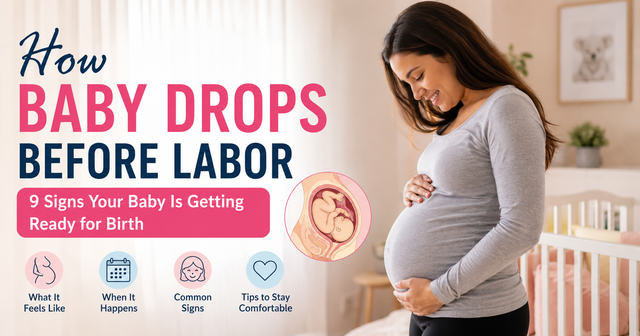
As the due date gets closer, many pregnant women start paying attention to every little change in their bodies. One change that often happens in the final weeks of pregnancy is called "baby dropping" or lightening.
It can feel exciting, surprising, and sometimes even a little uncomfortable. If you've suddenly noticed that your baby bump looks lower than before, you might be wondering if labor is just around the corner.
Here's what baby dropping actually means, how it feels, and the signs many moms experience before labor begins.
What Does It Mean When a Baby Drops?
Baby dropping happens when your baby moves lower into your pelvis in preparation for birth.
During most of pregnancy, your baby floats higher in the uterus. As delivery approaches, the baby's head often settles deeper into the pelvic area. This position helps prepare the body for labor and vaginal delivery.
For first-time moms, this may happen several weeks before labor starts. For women who have given birth before, baby dropping may happen just days or even hours before labor.
Signs That Your Baby Has Dropped
Every pregnancy is different, but many women notice several common changes.
1. You Can Breathe More Easily
One of the first things many moms notice is relief from pressure on the lungs.
When the baby moves lower, there is more room for your diaphragm to expand, making breathing feel easier.
You may suddenly realize you can take deeper breaths without feeling short of breath.
2. Increased Pressure in the Pelvis
While breathing may become easier, the lower body often feels heavier.
You might experience:
-
Pelvic pressure
-
A feeling that the baby is sitting very low
-
Increased discomfort while walking
-
A waddling gait
Many moms describe it as carrying a bowling ball between their legs.
3. More Frequent Bathroom Trips
Unfortunately, the bladder often pays the price.
As the baby's head settles lower, it puts extra pressure on the bladder. This can lead to:
-
Frequent urination
-
Sudden urges to pee
-
Difficulty holding urine for long periods
If you're already visiting the bathroom often, expect a few more trips.
4. Changes in Your Belly Shape
Friends and family are often the first to notice.
Your bump may appear lower than before, with more space between your breasts and the top of your belly.
Many women compare photos taken a few weeks apart and clearly see the difference.
5. Increased Pelvic Pain or Lightning Crotch
As the baby moves deeper into the pelvis, nerves may become compressed.
This can cause sharp, sudden pains often called "lightning crotch."
These quick electric-like sensations can be surprising but are generally a normal part of late pregnancy.
What Does Baby Dropping Feel Like?
The sensation varies from person to person.
Some women barely notice anything.
Others describe:
-
A feeling of heaviness in the pelvis
-
Increased pressure when standing
-
Easier breathing
-
More frequent urination
-
Mild pelvic aches
For some moms, it feels like the baby suddenly shifted overnight.
When Does Baby Dropping Usually Happen?
There is no exact timeline.
Generally:
| Pregnancy Type | Typical Timing |
|---|---|
| First Pregnancy | 2–4 weeks before labor |
| Second or Later Pregnancies | Days or hours before labor |
Keep in mind that some babies don't fully engage until labor actually begins.
If you're curious about your estimated delivery timeline, you can use our Due Date Calculator to track your pregnancy progress and important milestones.
👉 Internal Link: https://mammatrack.com/due_date_calculator
Does Baby Dropping Mean Labor Is Near?
Not necessarily.
Baby dropping is often a sign that the body is preparing for labor, but it doesn't guarantee labor will start immediately.
Some women go into labor within days.
Others continue pregnancy for several weeks after the baby has dropped.
Look for additional labor signs such as:
-
Regular contractions
-
Water breaking
-
Bloody show
-
Increasing cervical dilation
These signs are usually more reliable indicators that labor is approaching.
How Can You Stay Comfortable After Baby Drops?
The extra pelvic pressure can be uncomfortable, but a few simple strategies may help:
Walk Gently
Short walks can encourage good positioning and reduce stiffness.
Use a Pregnancy Support Belt
A maternity support belt may relieve pressure on the lower back and pelvis.
Rest Frequently
Late pregnancy is demanding. Listen to your body and take breaks when needed.
Practice Good Posture
Standing upright can reduce strain on your lower back.
Maintaining a healthy pregnancy weight may also reduce discomfort. You can check your current status with our BMI Calculator.
👉 Internal Link: https://mammatrack.com/bmi_calculator
When Should You Call Your Doctor?
Contact your healthcare provider if you experience:
-
Severe pelvic pain
-
Vaginal bleeding
-
Decreased fetal movement
-
Fluid leaking from the vagina
-
Regular contractions before 37 weeks
These symptoms may require medical attention.
Final Thoughts
Baby dropping is one of the most noticeable signs that your body is preparing for birth. While it can bring extra pelvic pressure and frequent bathroom trips, many moms enjoy the welcome relief of easier breathing.
Remember that every pregnancy follows its own timeline. Some babies drop weeks before labor, while others wait until labor begins.
As you count down the final days, this can also be a fun time to think about baby names and prepare for your little one's arrival. If you're still searching for the perfect name, try our Baby Name Generator for inspiration.
👉 Internal Link: https://mammatrack.com/baby_name_generator
The final weeks of pregnancy can feel long, but each change is a reminder that you're getting closer to meeting your baby. ❤️
FAQ
Can baby dropping happen suddenly?
Yes. Some women wake up and notice their belly looks lower, while others experience gradual changes over several days or weeks.
How do I know if my baby has dropped?
Common signs include easier breathing, increased pelvic pressure, frequent urination, and a lower-looking baby bump.
Does baby dropping mean labor will start soon?
Not always. Labor may begin within days, weeks, or even later depending on your pregnancy.
Can baby drop and then move back up?
In some cases, babies can shift positions slightly, but once the head becomes engaged in the pelvis, significant movement upward is less common.
Is baby dropping painful?
It can cause pelvic discomfort and pressure, but it is usually a normal part of late pregnancy rather than a sign of a problem.
Have a question or want to share your experience?
👉 Join our Community and connect with other parents.
Medical Disclaimer
This article is for informational purposes only and does not replace professional medical advice, diagnosis, or treatment. Always consult with a qualified healthcare provider for any questions regarding your health.
0 Comments
No comments yet. Join the conversation!
Leave a Reply
Your email address will not be published. Required fields are marked *